
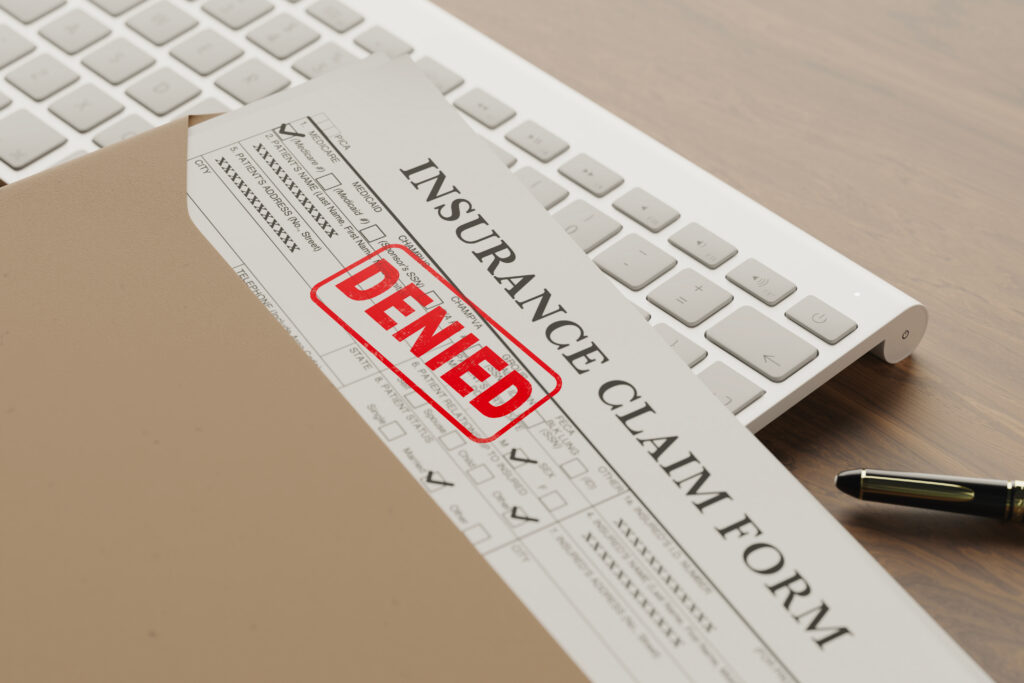
After suffering an injury in a car accident, slip and fall, truck accident, or another incident caused by someone else’s negligence, receiving a denial letter from the insurance company can feel discouraging. Many people assume a denied claim means their case is over, but that is often far from the truth.
Insurance companies deny injury claims for many reasons, and a denial does not automatically mean you are not entitled to compensation. Understanding why claims are denied and knowing what to do next can make a significant difference in protecting your rights.
Contents
- 1 Why Do Insurance Companies Deny Injury Claims?
- 2 Read the Denial Letter Carefully
- 3 Gather Additional Evidence
- 4 Do Not Assume the Insurance Company Is Right
- 5 Be Careful What You Say
- 6 Can You Appeal a Denied Injury Claim?
- 7 What If the Insurance Company Continues to Deny Your Claim?
- 8 Common Mistakes After a Claim Denial
- 9 How a Georgia Personal Injury Attorney Can Help
- 10 Frequently Asked Questions
- 11 Don’t Let an Insurance Company Have the Final Say
Why Do Insurance Companies Deny Injury Claims?
Insurance companies are businesses focused on limiting the amount they pay in claims. Even valid claims may be denied for reasons that can often be challenged.
Common reasons include:
- The insurer disputes who was at fault.
- The company claims your injuries are not related to the accident.
- There is insufficient evidence supporting your claim.
- Medical treatment was delayed.
- The insurance company argues your injuries are pre-existing.
- Required deadlines were missed.
- The policy does not provide coverage.
- The insurer believes you were partially or entirely responsible for the accident.
Understanding the reason for the denial is the first step toward determining your next course of action.
Read the Denial Letter Carefully
If your claim has been denied, carefully review the insurance company’s explanation.
The denial letter should identify why the company refused to pay your claim. Common explanations include:
- Lack of evidence
- Coverage exclusions
- Liability disputes
- Missing documentation
- Policy limitations
Knowing exactly why your claim was denied allows you and your attorney to develop the strongest possible response.
Gather Additional Evidence
A denied claim often means additional documentation is needed.
Helpful evidence may include:
- Medical records
- Medical bills
- Physician opinions
- Police reports
- Accident scene photographs
- Dashcam footage
- Security camera footage
- Witness statements
- Vehicle damage estimates
- Employment records showing lost wages
The stronger your evidence, the more difficult it becomes for the insurance company to dispute your claim.
Do Not Assume the Insurance Company Is Right
Many people believe an insurance denial is final.
It usually is not.
Insurance adjusters sometimes make decisions based on incomplete information, conflicting evidence, or their interpretation of the policy. In many cases, denied claims are later approved after additional evidence is presented.
Be Careful What You Say
After denying your claim, an insurance adjuster may continue contacting you.
Remember:
- Do not speculate about the accident.
- Do not admit fault.
- Do not exaggerate or minimize your injuries.
- Do not sign documents without understanding them.
- Do not accept a small settlement simply because your claim was initially denied.
Anything you say may be used to reduce or deny your compensation.
Can You Appeal a Denied Injury Claim?
In many situations, yes.
An appeal allows you to submit additional evidence and explain why the denial should be reconsidered.
Depending on the circumstances, an appeal may include:
- Updated medical records
- Expert opinions
- Additional witness statements
- Photographs or video evidence
- Clarification regarding insurance coverage
Many claims are successfully resolved during the appeal process.
What If the Insurance Company Continues to Deny Your Claim?
If negotiations fail, you may have other legal options.
Depending on your case, your attorney may recommend:
- Continued settlement negotiations
- Mediation
- Filing a personal injury lawsuit
- Taking the case to trial if necessary
Insurance companies often become more willing to negotiate once legal action is taken.
Common Mistakes After a Claim Denial
Avoid these common errors:
- Throwing away important documents
- Waiting too long to respond
- Stopping medical treatment
- Posting about the accident on social media
- Accepting the first low settlement offer
- Attempting to negotiate complex claims alone
These mistakes can weaken an otherwise valid case.
How a Georgia Personal Injury Attorney Can Help
An experienced attorney can often identify issues the insurance company overlooked or intentionally emphasized.
A lawyer may:
- Review the denial letter
- Investigate the accident
- Gather additional evidence
- Communicate with the insurance company
- Calculate the full value of your damages
- Negotiate for a fair settlement
- File a lawsuit when appropriate
Having legal representation often shifts negotiations because insurance companies know your attorney understands Georgia personal injury law.
Frequently Asked Questions
Does a denied claim mean I lose my case?
No. Many injury claims are initially denied and later resolved after additional evidence is submitted or negotiations continue.
Can I still recover compensation if my claim was denied?
Possibly. If the denial was improper or based on incomplete information, you may still be able to recover compensation through negotiations or litigation.
How long do I have to challenge a denied claim?
The answer depends on your specific insurance policy and Georgia law. Speaking with an attorney as soon as possible helps preserve your legal options.
Should I accept a settlement after my claim was denied?
Not without fully understanding what you’re agreeing to. Once you accept a settlement, you may give up your right to pursue additional compensation.
Don’t Let an Insurance Company Have the Final Say
A denied injury claim is not necessarily the end of your case. Insurance companies deny claims every day, but many of those decisions are challenged and overturned with the right evidence and legal strategy.
If your injury claim has been denied after a car accident, truck accident, motorcycle accident, slip and fall, or other personal injury incident, The DP Law Firm is ready to help. We will review your case, explain your options, and fight for the compensation you deserve.
Contact The DP Law Firm today to schedule a consultation and learn how we can help you move forward after a denied insurance claim.