
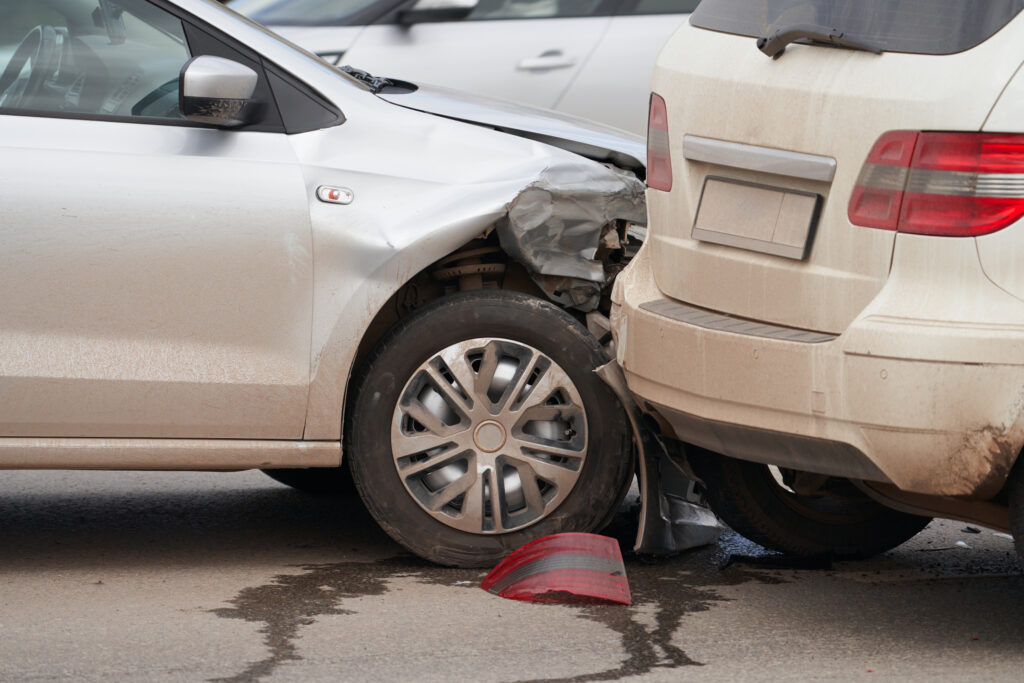
If you’ve been involved in a partially at fault Georgia accident, you may assume you have no right to recover compensation. Fortunately, that isn’t always true. Georgia law recognizes that many accidents involve shared responsibility, and being partially at fault does not automatically prevent you from pursuing damages for your injuries.
Car accidents are rarely as straightforward as they seem. While some crashes clearly involve one negligent driver, many accidents happen because multiple people made mistakes. If you’ve been injured in a Georgia accident and believe you may share some responsibility, you might wonder whether you can still recover compensation.
The good news is that being partially at fault does not automatically prevent you from pursuing compensation. Georgia follows a modified comparative negligence rule, which allows many injured victims to recover damages even if they were partly responsible for the accident. Understanding how Georgia’s comparative negligence law applies to your situation can help you protect your rights and avoid accepting less than you deserve.
Contents
- 1 What Does “Partially at Fault” Mean?
- 2 How Georgia’s Comparative Negligence Law Applies to a Partially at Fault Georgia Accident
- 3 Can You Challenge the Insurance Company’s Fault Determination?
- 4 Common Situations Where Fault Is Shared
- 5 How Partial Fault Affects Your Compensation
- 6 Why Insurance Companies Try to Increase Your Percentage of Fault
- 7 Evidence That Can Reduce Your Share of Fault
- 8 What You Should Do After an Accident
- 9 Mistakes to Avoid After a Partially at Fault Georgia Accident
- 10 Frequently Asked Questions
- 11 Why Legal Representation Matters
- 12 The DP Law Firm Is Here to Help
Contents
- What Does “Partially at Fault” Mean?
- Georgia’s Modified Comparative Negligence Rule
- How Fault Is Determined
- Common Situations Where Fault Is Shared
- How Partial Fault Affects Your Compensation
- Why Insurance Companies Try to Increase Your Percentage of Fault
- Evidence That Can Reduce Your Share of Fault
- What You Should Do After an Accident
- Frequently Asked Questions
- The DP Law Firm Is Here to Help
What Does “Partially at Fault” Mean?
Being partially at fault means your actions may have contributed to the accident in some way.
For example, another driver may have run a red light, but you may have been driving slightly over the speed limit. In another situation, a driver may have rear-ended your vehicle while you were making an unsafe lane change.
Multiple factors often contribute to accidents, and Georgia law recognizes that responsibility is not always entirely one person’s fault.
How Georgia’s Comparative Negligence Law Applies to a Partially at Fault Georgia Accident
Georgia uses a legal standard called modified comparative negligence.
Under this rule:
- You may recover compensation if you are less than 50% responsible for the accident.
- Your compensation is reduced by your percentage of fault.
- If you are 50% or more responsible, you generally cannot recover damages from the other party.
This law is designed to fairly distribute responsibility when more than one person contributed to a collision.
Can You Challenge the Insurance Company’s Fault Determination?
After a partially at fault Georgia accident, the insurance company’s decision is not always the final word. Insurance adjusters may assign you a higher percentage of fault than the evidence supports in an effort to reduce the amount they have to pay.
If you disagree with their determination, additional evidence may strengthen your case. Photographs, dash-cam footage, witness statements, accident reconstruction reports, and expert opinions can all help challenge an unfair fault assessment. An experienced attorney can also negotiate with the insurance company and present evidence showing why your percentage of fault should be reduced.How Fault Is Determined
Determining fault involves reviewing all available evidence.
Insurance companies, attorneys, and sometimes juries consider:
- Police reports
- Witness statements
- Photographs
- Dash-cam footage
- Surveillance video
- Vehicle damage
- Accident reconstruction
- Medical records
- Traffic laws
- Expert opinions
No single piece of evidence automatically determines fault. Instead, investigators evaluate the circumstances surrounding the accident as a whole.
Many Georgia accidents involve shared responsibility.
Examples include:
Rear-End Collisions
Although the trailing driver is often at fault, liability may be shared if the lead driver stopped suddenly without reason or had malfunctioning brake lights.
Intersection Accidents
One driver may have entered an intersection too quickly while another failed to yield.
Lane Change Accidents
Improper lane changes, failure to check blind spots, and speeding often combine to create shared fault.
Parking Lot Accidents
Drivers backing out simultaneously or failing to yield frequently share responsibility.
Multi-Vehicle Accidents
Chain-reaction collisions often involve several drivers, making fault more complicated to determine. One driver may have been following too closely while another made an unsafe lane change or stopped unexpectedly. In these situations, investigators may assign different percentages of fault to multiple parties based on the evidence.Pedestrian Accidents
A pedestrian may cross outside a designated crosswalk while a driver is distracted or speeding.
Motorcycle Accidents
Drivers sometimes fail to notice motorcycles, while motorcyclists may also be accused of excessive speed or unsafe lane changes.
How Partial Fault Affects Your Compensation
Your percentage of fault directly affects the amount of compensation you may receive.
For example:
If your damages total $100,000 and you are found 20% at fault, your compensation would be reduced by 20%.
You could recover:
$80,000
Additional examples include:
| Total Damages | Your Fault | Potential Recovery |
|---|---|---|
| $50,000 | 10% | $45,000 |
| $100,000 | 25% | $75,000 |
| $250,000 | 40% | $150,000 |
However, if you are found 50% or more responsible, Georgia law generally prevents you from recovering compensation.
It’s important to remember that compensation may include much more than vehicle repairs. Depending on your injuries, you may be able to recover damages for medical expenses, future treatment, lost wages, reduced earning capacity, pain and suffering, emotional distress, and other accident-related losses. Because every percentage point of fault can affect your recovery, accurately determining liability is extremely important.
Why Insurance Companies Try to Increase Your Percentage of Fault
Insurance companies have one primary goal: minimizing payouts.
One of the most common strategies they use is arguing that you were more responsible than you actually were.
They may claim that you:
- Were speeding
- Failed to signal
- Were distracted
- Were following too closely
- Ignored traffic signs
- Failed to avoid the accident
- Worsened your injuries
Even a small increase in your percentage of fault can significantly reduce the amount they must pay.
Insurance adjusters often begin investigating a claim immediately after an accident. They may review your statements, social media posts, medical records, and even photographs from the accident scene. Anything that appears inconsistent could be used to argue that you were more responsible than you actually were. For this reason, it’s wise to be cautious when speaking with the insurance company before consulting an attorney.
Strong evidence can help establish what actually happened.
Helpful evidence includes:
Cell Phone Records
In some cases, phone records may help demonstrate whether a driver was distracted by texting or using their phone immediately before the crash.
Accident Reconstruction Experts
Serious accidents sometimes require professional accident reconstruction specialists. These experts analyze skid marks, vehicle damage, road conditions, and other evidence to determine how the collision occurred and who was responsible.
Dash-cam Footage
Video often provides an objective view of the moments before impact.
Surveillance Cameras
Nearby businesses or traffic cameras may have captured the collision.
Witness Statements
Independent witnesses frequently provide valuable perspectives.
Police Reports
Although not always conclusive, police reports often contain important observations and preliminary findings.
Vehicle Damage
The location and severity of damage can help accident reconstruction experts determine how the crash occurred.
Medical Records
Prompt medical treatment supports both your injuries and the timeline of events.
What You Should Do After an Accident
If you believe you may have been partially responsible, avoid assuming you have no case.
Instead:
Seek Medical Attention
Your health should always come first.
Call Law Enforcement
A police report may become critical evidence.
Document the Scene
Take photographs of:
- Vehicle damage
- Road conditions
- Traffic signs
- Skid marks
- Weather
- Visible injuries
Collect Witness Information
Independent witnesses often become valuable sources of evidence.
Preserve Any Video
Save dash-cam footage before it is overwritten.
Avoid Admitting Fault
Even apologizing at the scene may later be interpreted as accepting responsibility.
Let investigators determine fault after reviewing all available evidence.
Contact an Attorney
An experienced Georgia personal injury attorney can investigate the accident, gather evidence, negotiate with insurance companies, and protect your right to compensation.
Mistakes to Avoid After a Partially at Fault Georgia Accident
After an accident, your actions can significantly impact your claim. Avoid these common mistakes:
- Admitting fault before the investigation is complete.
- Delaying medical treatment.
- Posting details about the accident on social media.
- Accepting the insurance company’s first settlement offer without understanding your rights.
- Failing to preserve photographs, videos, or other important evidence.
Even if you believe you were partly responsible, it’s important to remember that you may still have the right to recover compensation under Georgia law.
Frequently Asked Questions
Can I still recover compensation if I was partly at fault?
Yes. If you are less than 50% responsible for the accident, Georgia law may allow you to recover compensation.
How is fault determined?
Fault is determined by reviewing evidence such as police reports, witness statements, photographs, video footage, vehicle damage, and expert analysis.
Will the insurance company automatically decide fault?
No. Insurance companies make their own determinations, but their conclusions can be challenged through negotiations or legal action.
Should I accept the insurance company’s first offer?
Not necessarily. Early settlement offers may not fully account for your medical expenses, lost wages, pain and suffering, or future damages.
Does admitting fault at the scene hurt my case?
It can. Avoid making statements that assign blame before all the facts are known.
Can I recover compensation if I was 25% at fault?
Yes. As long as you are less than 50% responsible for the accident, Georgia law generally allows you to recover compensation. However, your recovery will be reduced by your percentage of fault.
Who decides who was at fault?
Fault may initially be determined by insurance adjusters based on available evidence. If the parties disagree, attorneys, judges, or juries may ultimately decide each person’s percentage of responsibility.
Can I challenge an insurance company’s decision?
Yes. If you believe the insurance company assigned you too much fault, additional evidence and legal representation may help challenge their determination.
Why Legal Representation Matters
When fault is disputed, having legal representation can make a significant difference.
An experienced attorney can:
- Conduct an independent investigation
- Gather additional evidence
- Challenge unfair fault determinations
- Negotiate with insurance companies
- Calculate the full value of your damages
- Represent you if litigation becomes necessary
Without experienced representation, you may accept an unfair allocation of fault that substantially reduces your recovery.
The DP Law Firm Is Here to Help
Being involved in a partially at fault Georgia accident can make the claims process feel overwhelming, but it does not automatically mean you lose your right to compensation. Every accident is different, and accurately determining fault often requires a careful investigation of the evidence.
At The DP Law Firm, we understand how insurance companies evaluate claims and the tactics they may use to reduce payouts. Our team works diligently to investigate accidents, gather critical evidence, negotiate with insurance companies, and protect our clients’ rights throughout the claims process.
If you’ve been injured and believe you may have been partially responsible for the accident, don’t assume you have no options. Contact The DP Law Firm today to discuss your case and learn how Georgia’s comparative negligence law may apply to your situation.